Humanizing Medicine
As the Audio Editor-in-Chief and Senior Editor and Host of the Primary Care Reviews and Perspectives podcast at Hippo Education, I have been interviewing experts and educating frontline clinicians on the latest news and hot topics in medicine for nearly a decade. This work has been amplified in two podcasts I created for Hippo Education: Only Human: Real Clinician Stories, Unfiltered, and Hippo Education Presents: The Monthly Rounds.
As the creator and host of The OSA Insider podcast for the University of Maryland School of Medicine’s Office of Student Affairs, the first podcast ever created by a medical school’s Student Affairs office, I provide medical students with in-depth reporting and interviews on milestones in their journey to becoming physicians.
And as a freelance producer and reporter of public radio stories about health and medicine for WHYY, as well as a contributor to publications like The Washington Post and Katie Couric Media, I educate the public on medical topics as well as how to navigate our complex healthcare system.
Whether you’re a clinician experiencing burnout or a patient craving greater clarity, I hope these podcasts, articles, and other resources can be of help.

For health care workers navigating career transitions and questions about the meaning of our work

Only Human, from Hippo Education
Only Human: Real Clinician Stories, Unfiltered
What clinicians think and feel, but don’t always say, about working in medicine. A four-part audio mini-series from Hippo Education.
After Shock with Dr. Rana Awdish
Dr. Rana Awdish thought she had mostly healed from a prolonged critical illness and near-death experience in her own hospital’s ICU, which she wrote about in her best-selling book In Shock. But there was still much more healing to be done, and Rana’s body was sending her different warnings. A conversation about her new book, After Shock: Learning to Reinhabit My Body After Illness. For public radio’s The Pulse.
Physician, Heal Thyself? Why More Young Doctors are Depressed
According to a study in the Journal of the American Medical Association, one out of every three physicians in training experiences depression. This is about three times higher than in the general population. But: Why? For public radio’s The Pulse.
Improvising Adulthood with Amanda Hirsch
What the lessons of improv comedy have to teach medical students and professionals navigating change. Produced for the University of Maryland School of Medicine’s OSA Insider podcast.
On my best days, when I love practicing medicine the most, I am more Hufflepuff than Ravenclaw. For KevinMD.
For patients trying to understand and navigate the healthcare system
You’re Probably Not Allergic to Penicillin
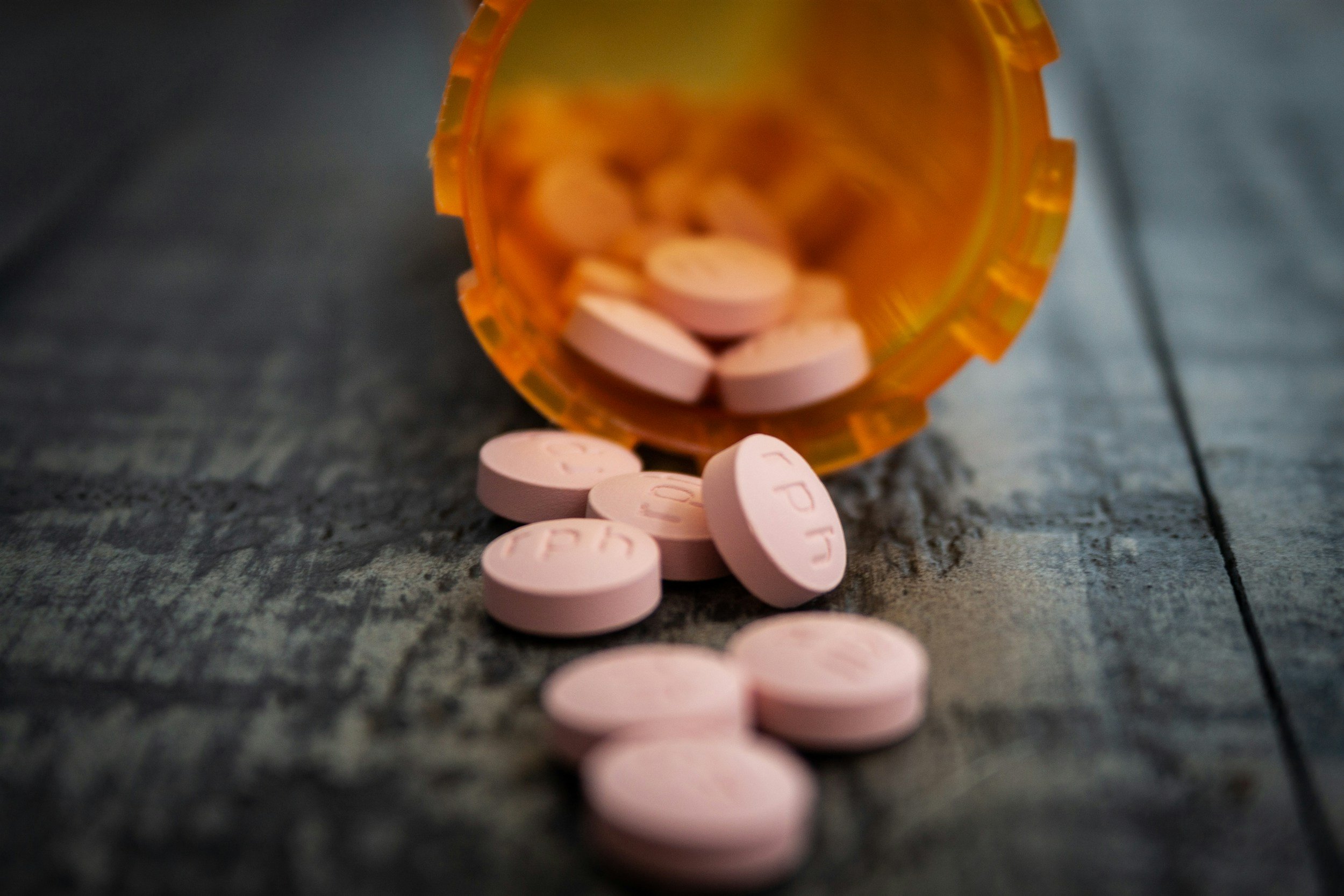
Over 90% of people who think they’re allergic to penicillin aren’t allergic. And avoiding the drug in times of need can be dangerous in its own way. For Katie Couric Media.
What Your Doctor Wants You to Know about Prescriptions
We don’t control the price or availability, believe it or not. For Katie Couric Media.
What Your Doctor Wants You to Know About Those Painfully Short Appointment Times
The brevity of these appointments is just as disheartening for clinicians as it is for patients. For Katie Couric Media.
You can find online reviews for just about everything these days — even physicians. But how accurate are those reviews? And do doctors take them to heart? For public radio’s The Pulse.
You may also want to explore:
5 Myths About the Common Cold (Washington Post)
Allergic to Penicillin? Maybe Not (public radio’s The Pulse)
For health care workers hoping to learn new things and improve their practice
Practical Menopausal Hormone Therapy (MHT) Prescribing: You Can Do It!
Listen on Apple or Spotify. Produced as part of Hippo Education’s The Monthly Rounds.
How to Teach Good EHR Documentation and Deflate Bloated Chart Notes
Why have electronic patient notes become so long? And what can we learn from the design philosophy of “less is more”? An article for The AMA Journal of Ethics.
Pain and Anxiety Management for IUD Placement
Listen on Apple or Spotify. Produced as part of Hippo Education’s The Monthly Rounds.
This patient-centered counseling technique helps physicians to better address our patients' readiness for change. Produced for the University of Maryland School of Medicine’s OSA Insider podcast.
Other stories & appearances

In Search of Work-Life Balance
I discuss the tension between wanting to be available to my patients and setting boundaries to protect my personal life for public radio’s The Pulse.
Will They Still Like Me? The Power of Negotiation (Part 2)
Reflecting on my relationship to negotiation as I’ve navigated my career.
For public radio’s The Pulse.
Andrea Avery was a piano whiz kid until she developed rheumatoid arthritis at age 12. The disease symptoms can leave her feeling able-bodied one day, disabled the next. For public radio’s The Pulse.